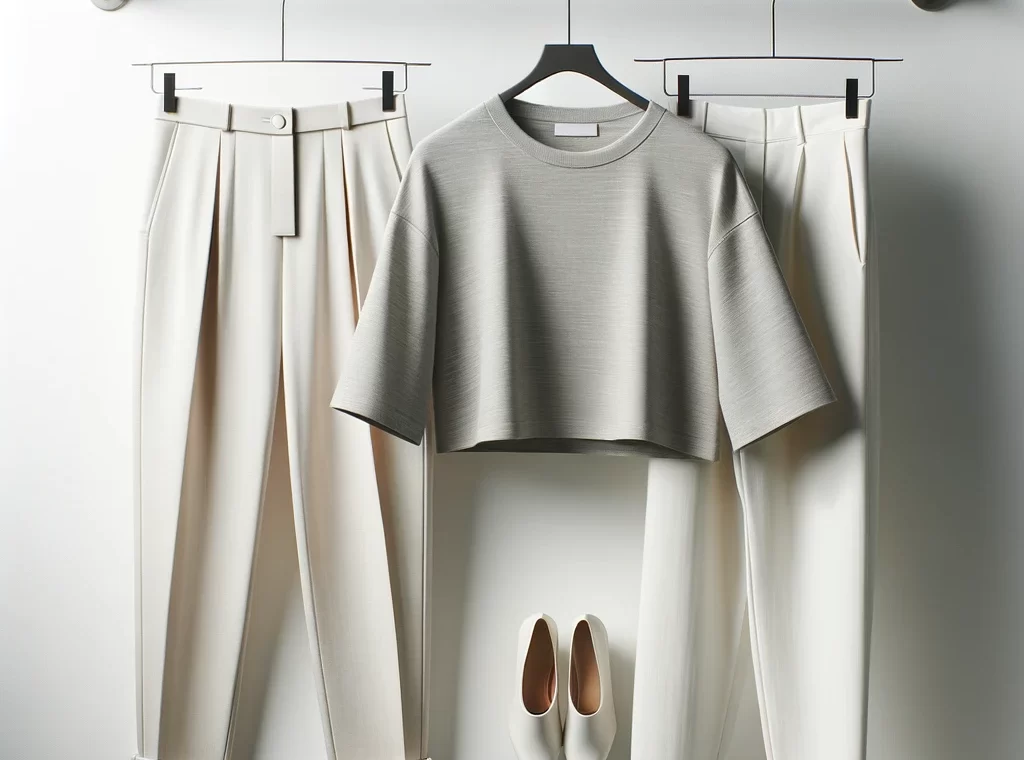
Its disheartening to spend money on a Garment that falls apart after just a few wears. That’s precisely why selecting high Quality Clothing plays such a crucial role. There’s a unique satisfaction in wearing Clothes that move with us, treat our skin with care, and tread lightly on the planet. Garments of lower Quality tend to wear out more quickly and demand greater effort from us to remain in good condition.
The truth is, the Quality of our Clothing has seen a consistent downturn since the late 90s, a trend largely fuelled by the fast fashion movement that increased production and consumption rates while driving down prices.
However, it’s still possible to find well-crafted Garments, provided you know the signs to look for.
High Quality Clothing should see you through more than one season, and there are a few simple ways to tell if your Garments are well-made or not.
- The Fabric
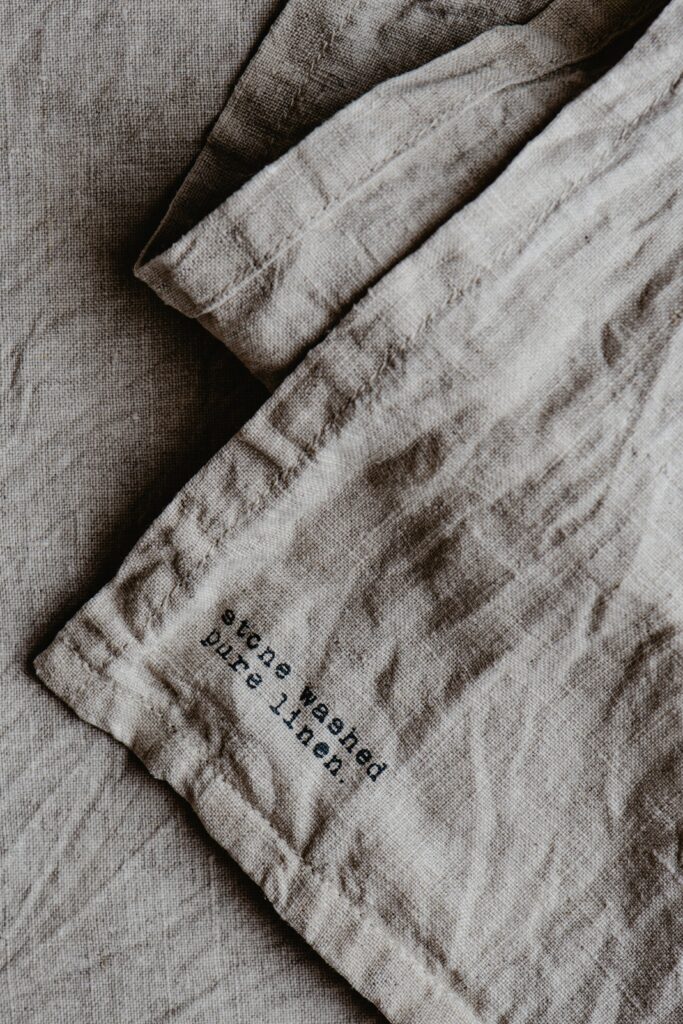
The building blocks to High Quality Clothing is high Quality Fabrics.
Fabrics made from Natural fibres like Cotton, Wool, Silk, Linen,Hemp and Cashmere are typically more durable and comfortable.
While natural Fabrics generally outperform synthetic ones like Acetate and Polyester, exceptions do exist. With the rise of Fast Fashion, it’s easy to come across low-grade, fragile Cotton.
Touch the Fabric, ensure the fabric has a feel of durability and isn’t transparent. Stretchy Fabrics should return to their original form after being pulled or worn, indicating good ‘recovery.’
Do not however discount Fabric Blends, they are sometimes added to quality Clothing to enhance the functionality of the Fabric and prolong the lifespan of the Garment. They should however be kept to a minimum, not more than 20%.
There are other Fabrics of natural origin like Lyocell (for example, Tencel, Modal and Seacell),with enhanced features. These Fabrics are breathable, soft , effectively wick away moisture, and dry quicker. These fabrics are more durable and eco friendly.
Denim
2-3 % Spandex is acceptable to add to Denim for Comfort and Stretch, however if a pair of Jeans, made out of Cotton Denim is more than 5% Stretch. It’s no longer Biodegradable.
Incorporating excessive Spandex into Denim Fabric can also signal a lack of effort in Pattern Making.
Feeling a slight discomfort when you first slip into a new pair of Jeans can be surprisingly positive.
Premium Denim is usually heavier and a bit stiff when new, thanks to its high thread count. On the flip side, less expensive Denim may be soft to the touch right away, typically because it has fewer Fibres and has been pre-washed with chemicals to make it feel softer. Unfortunately, this process can also lessen the Jeans’ lifespan and affect the Denim Clothing Quality.
Sheer Fabrics
Sheerness may be an intentional aesthetic of the buyer, and it may be helpful to keep you cooler on hot days. Keep in mind that a sheer fabric often indicates a garment might not last long.
The reason? Sheer Fabrics are more susceptible to damage and have lower thread count.
High-end Quality Clothing Fabrics like Silk should be opaque enough to keep Undergarments hidden. A good test is to hold the Garment against light; if you can’t see your hand’s outline through the Fabric, it’s likely to be more durable.
Fabric Drape
A closely woven or tightly knit Quality Fabric is denser and heavier. It drapes over the body beautifully when worn. Hold up the Garment while it is still on a hanger and let it fall. It should fall straight and quickly reshape itself.
Synthetics
Synthetics are cheap, however they can be more durable than some natural fabrics. They are also a good indication of where the brand focus is in terms of Quality.
Shopping Online
When shopping for Quality Clothing online without the advantage of touching and feeling the Fabric, pay close attention to how the Fabric drapes on the model in the photo. This can give you valuable insight into the Quality and Texture of the Material.
2. Workmanship
Seams
Stitching is a telltale sign of Quality when it comes to overall construction of the Garment. Pay attention to the Quality of stitch work, as it’s a major indicator of a Garment’s overall Quality.
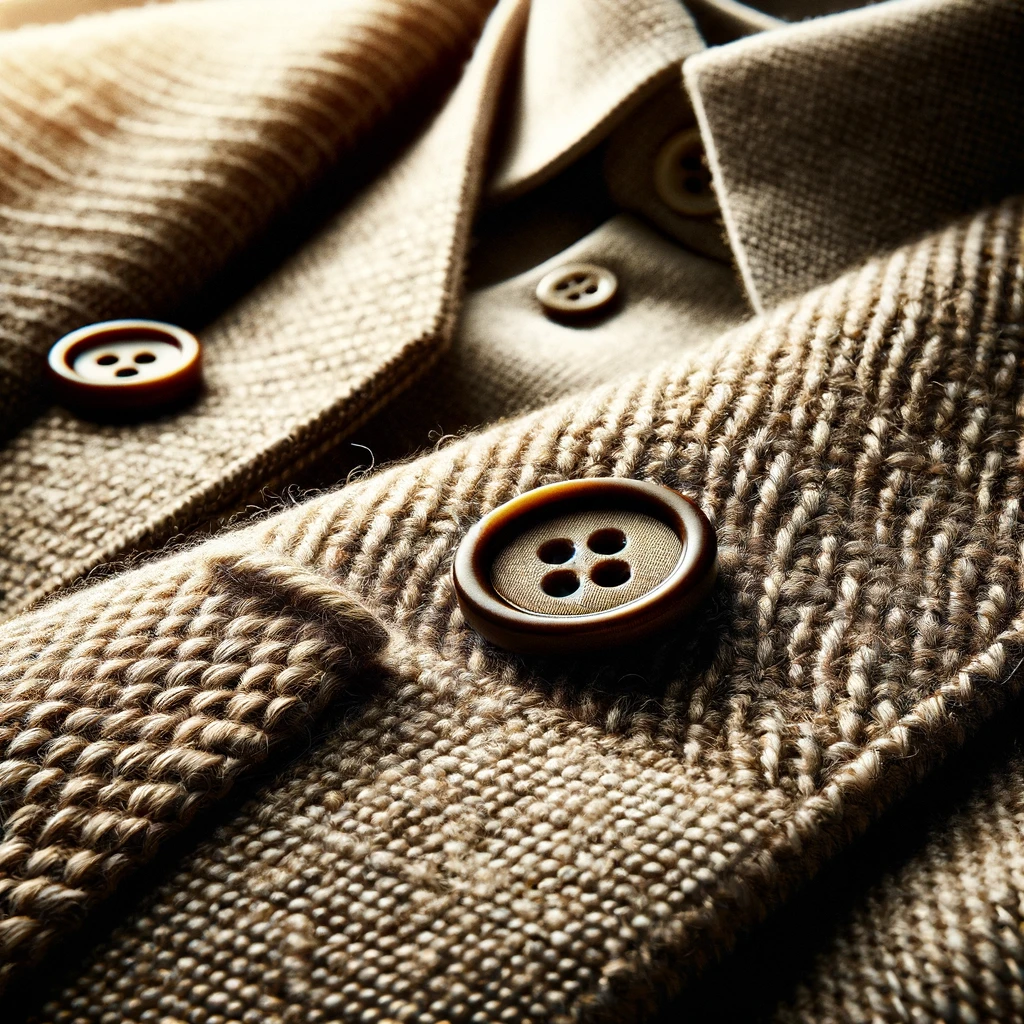
Look for Garments with a high stitch count per cm/inch, as this generally means better construction. Additional topstitching, buttons, and other elements securely sewn onto the Fabric are signs of careful craftsmanship. Also, well-finished Hem work is crucial. For example, if you notice the Hem is loosely stitched or missing threads, it’s probable that the Clothing item is of lower Quality
Seams face a lot of stress during the routine of wearing, washing, and removing clothes. Essentially, most garments, apart from Knitwear, are constructed from pieces of Fabric that are cut and stitched together, with Seams serving as the critical joints holding everything in place.
So, how can you identify a Seam that’s built to last? Stronger Seams are characterised by tighter, more frequent stitching, as opposed to looser stitches which can lead to Seams unraveling and thus, reducing the longevity of your Clothing. The evidence of quality is Seams that are neat, smooth, and free of clutter.
Another indicator of good workmanship is the absence of visible raw edges. Consider French Seams, for instance, which encase the Seam allowance. This method not only prevents raw edges but also creates a smoother, more comfortable garment, particularly for those sensitive to rough textures.
Back Yoke
Shirts frequently feature an essential element known as a “back yoke,” situated strengthen the shirt’s back, providing extra protection against vertical stretching and friction.
Facing
Look for Quality Clothing items that incorporate Fabric Facings. Facing, which refers to additional Fabric sewn along seams for reinforcement, is commonly applied near Zippers and Necklines. A lack of Facing, or minimal use of it, could indicate that the Garment is of lower Quality.
Check whether the Manufacturer has used the same Fabric for the Facing as the rest of the Garment. Consistency in Fabric choice for both the main parts and the Facing is a good indicator of the Garment’s overall Fabric Quality.
The Finish
Paying attention to the Garment’s Finish, both inside and out, is crucial. Keep an eye out for any hanging loops, stray ends, or stitching that isn’t smooth. Ensure that nothing protrudes awkwardly.
Examining the condition of Buttonholes offers a quick quality check. Neatly finished Buttonholes without any fraying threads suggest a higher level of Clothing Quality, whereas anything less points to a Garment that’s perhaps average in its construction Quality.
For Patterned Styles, ensure that the designs align precisely at the Seams. Take a striped dress, for instance, and check that the Stripes match up perfectly at front and back seams, and where the Fabric of the top shoulder connects to the arms.
This evaluation is more than just about aesthetics; it serves as a gauge of the Manufacturer’s attention to detail.
3. Buttons and Zips
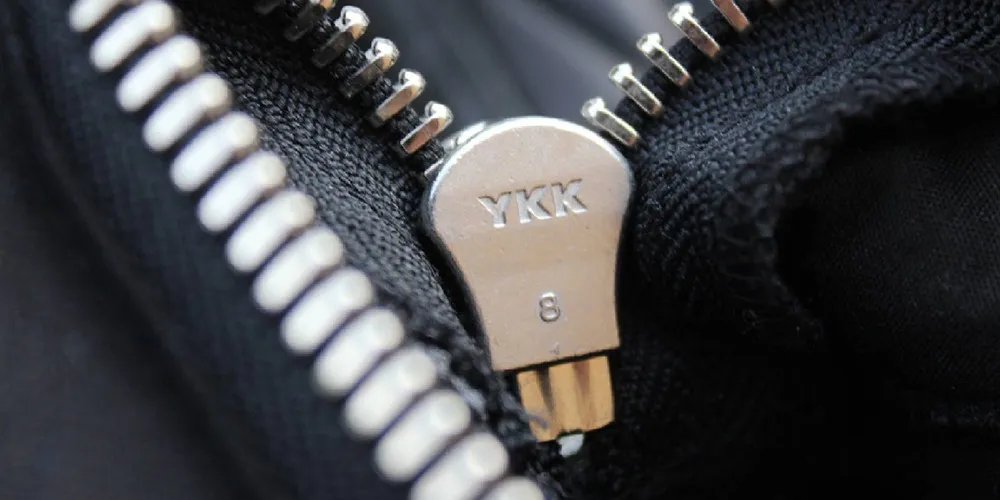
For Zippers, the preference leans towards Japanese expertise, notably from Yoshida Kogyo Kabushikikaisha, widely recognised as YKK.
Finding a YKK Zipper on a Garment indicates good Clothing Quality. YKK, the global leader in Zipper Manufacturing, is renowned for its meticulous Quality Control, even producing its own brass. These Zippers improve with use, unlike lower-grade alternatives that might wear down or stick over time.
Checking the security of Buttons is straightforward — a gentle pull will reveal their attachment strength. If they seem loosely attached but the Garment is otherwise perfect, a quick visit to a Tailor can ensure they’re securely fastened.
High-end Clothing often features an abundance of Buttons, varying by design. Additionally, Quality Garments typically include spare Buttons, offering a convenient solution for replacing any that go missing. When examining an item, check for these extra Buttons. Ensure that all Buttons are precisely where they’re expected, such as on Collars, Seams and Sleeve Cuffs.
4. Lining
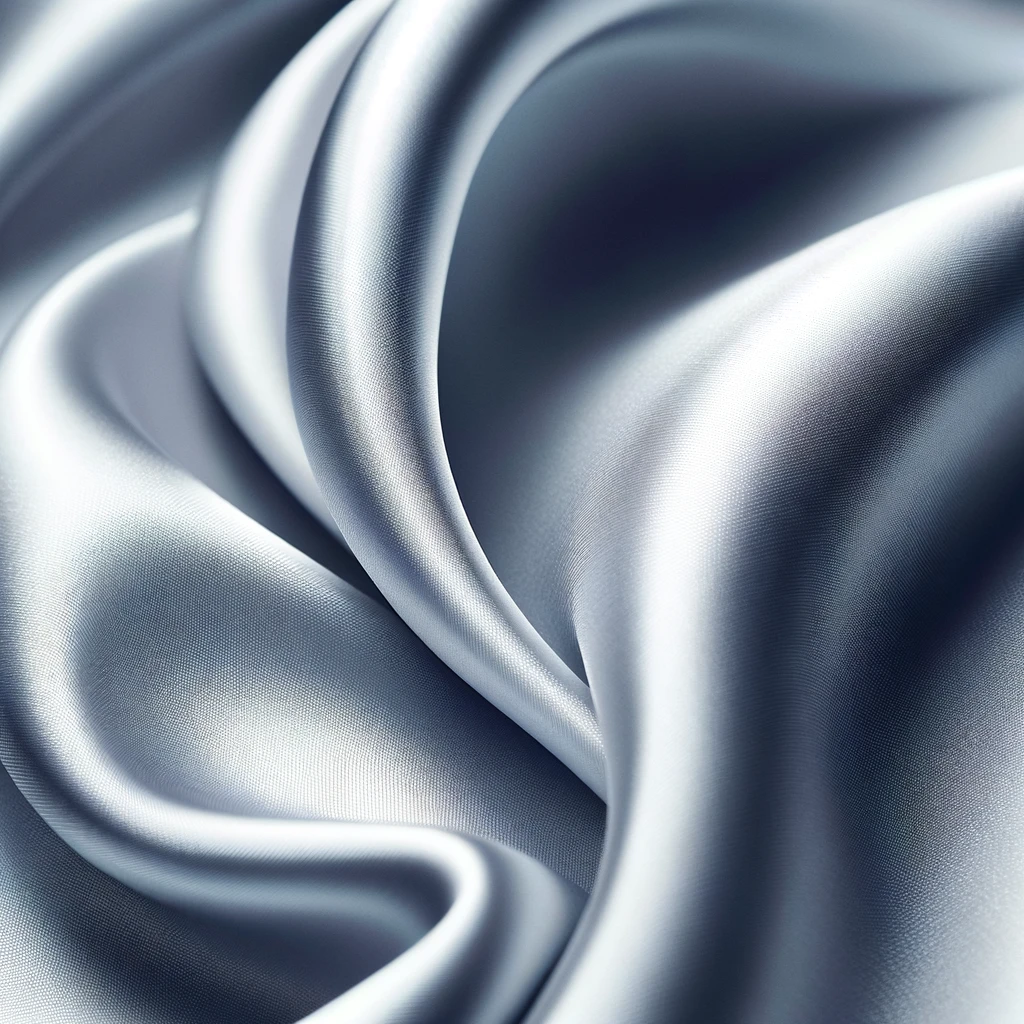
Take note of the presence of Lining in the Garment. Lining refers to the layer sandwiched between the inner and outer Fabric, often found in Jackets and similar Styles. Jackets,Skirts and Tailored Dresses without Lining can come across as inexpensive, flimsy, and less capable of providing warmth and structure.
Gently pinch and feel the Fabric between your fingers to determine if it’s lined. The Lining’s thickness is also crucial — a thicker Lining usually signifies better Quality.
Look out for details indicative of high craftsmanship, which necessitate additional Fabric, like Button Plackets, Double Darts, or French Cuffs. These features are telltale signs of a Garment’s superior Quality.
5. Fit
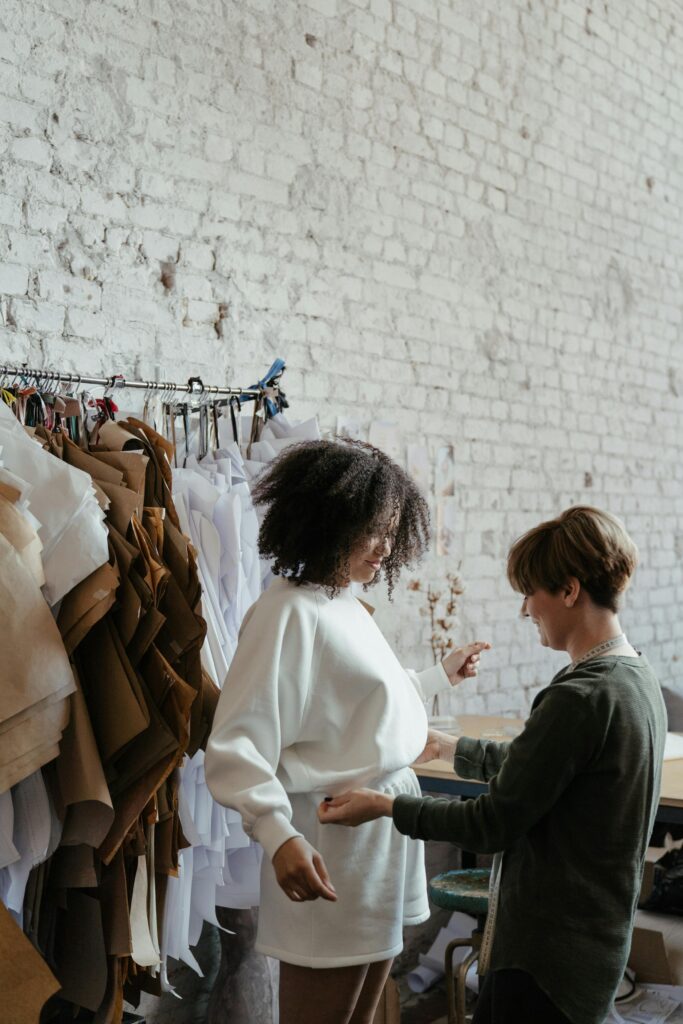
The sizing of off-the-rack Clothing can often be confusing and sometimes completely irrational. It’s not uncommon for two individuals who share a Size to have vastly different Body Shapes, making it particularly challenging to shop online and determine whether an item will truly Fit and Flatter. Consequently, many of us have ended up with Clothes that, while technically our Size, Fit us poorly.
This is why it is extremely crucial for Brands to provide enough information for you to make the right choices. A detailed Size Chart (not a generic copied off the internet type) should provide in-depth information about the Size and how the Garment should Fit.
If you notice that a Brand delivers varying Fits with each purchase, consider it a warning sign.
Such mismatches typically arise not just from inconsistent Sizing, but also from suboptimal cuts, Fabric Selection, and Overall Fit. A well-sized Garment should offer comfort, consistency, allowing you to breathe and move freely without the Fabric tugging or the Design restricting your movement.
In certain cases, like with new, rigid Jeans, some stiffness is to be expected. However, High-Quality Clothing, made with intention, aims to suit the diverse proportions of different Body Types. In selecting Clothes that are made with Care, listening to your Body’s response can be an incredibly reliable guide.
If you cannot at least consistently Fit into one Size within a Brand, consider the Brand sub par.
6. Imperfections
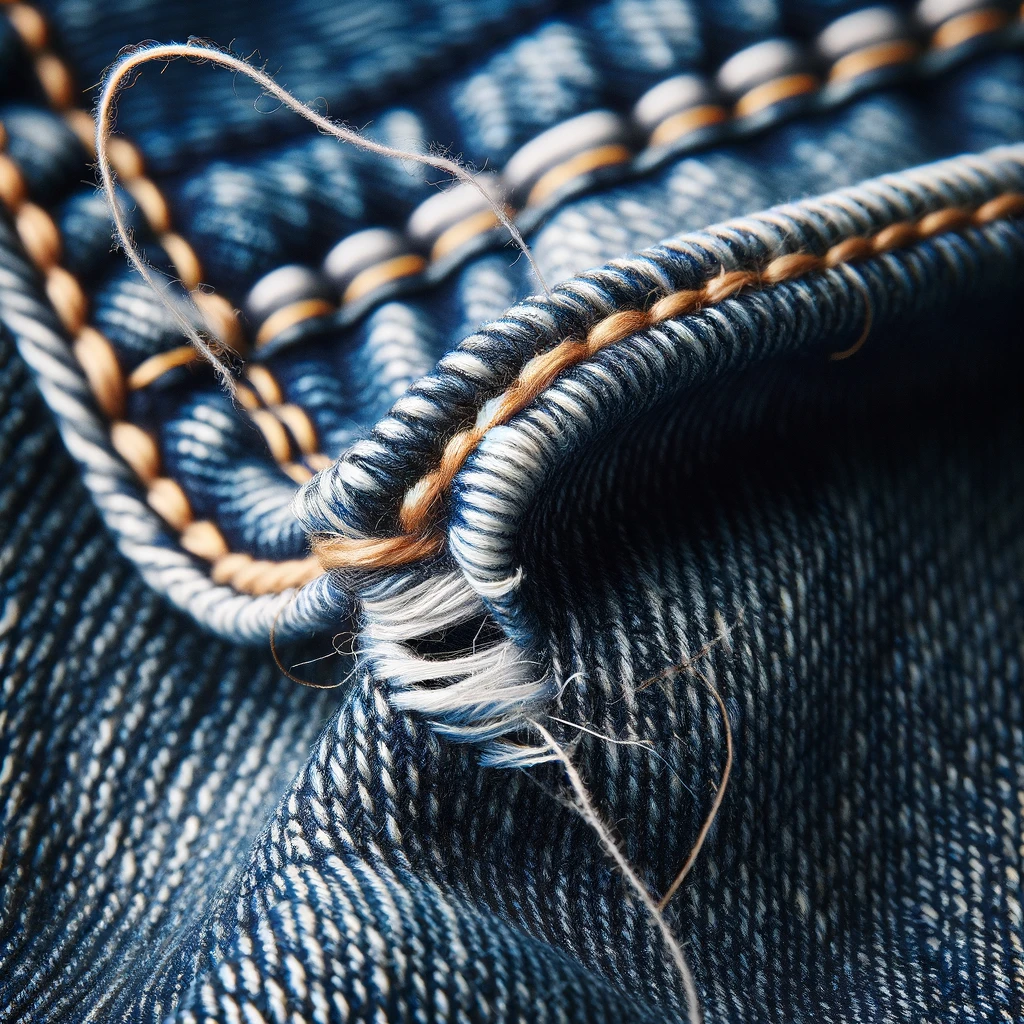
Inspect for Flaws. The presence of numerous Imperfections is a definitive indicator of inferior Clothing Quality. Consider such Flaws as red flags signalling substandard assembly. A Garment Constructed with little attention to detail is unlikely to endure. Steer clear of:
- Skipped stitches
- Unsecured stitches
- Broken or loose stitches
- Untidy or skew topstitching
- Misaligned fabric patterns at the seams
- Loose threads
- Uneven collar points
- Skew and even hems
- Lining showing at hem
- Marks
7. Detailed Information
https://www.etsy.com/shop/CestJiun?
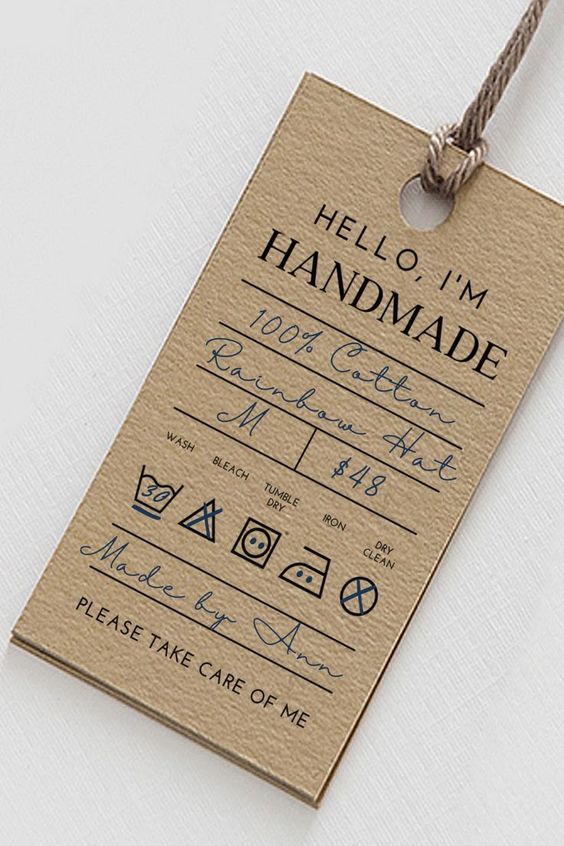
For those keen on minimising their Environmental Footprint and supporting Ethical Businesses, scrutinising tags or labels, product descriptions, and ingredient lists becomes second nature. It’s perfectly rational for Consumers to seek deeper insights into their Purchases, and Ethically-Minded Companies are usually more than willing to provide such transparency.
Examining Clothing tags isn’t just cautious—it’s a commendable habit to cultivate. A label can reveal the extent of information a Brand is willing to share, offering clues about the effort and consideration put into the Garment’s Production.
Let’s dive into a quick checklist, starting with the label’s material.
Has the Brand disclosed the Fabric used?
Where the Garment was made?
Does Sizing Information make sense?
Is there Wash Care on the tag/label ?
Does the Label feel gentle or irritating against the skin?
A focus on Transparency and Consumer comfort signals a Brand’s positive approach.
The purpose of a Label or tag is to deliver crucial details about the Garment and its Care Instructions. Did you receive comprehensive information, or did the company leave questions unanswered?
For Online Shoppers, this information should be available under Product Description.
8. The Price

It might sound obvious, but it’s crucial to grasp that the Price tag isn’t a direct reflection of Quality. The Cost of Clothing is influenced by a lot of factors beyond just the Quality of Materials and the effort in the Manufacturing Process.
Being overcharged for something of moderate Quality happens more often than we’d like to admit. On the flip side, it’s entirely possible to find High-Quality Clothing at more affordable prices. Your budget shouldn’t restrict you from seeking out Quality; remember, there’s often a mismatch between the Cost of a Garment and its actual Quality.
Focus more on the Garment’s appearance and how it feels. This approach is more reliable than making a judgment based solely on Price. Sometimes, the best Quality comes with a Price tag that surprises you.
Investing in well-made Clothing not only saves you time and money in the long run but also cultivates mindfulness, aiding in the development of a personal style that steers clear of impulsive purchases. Understanding what constitutes a High-Quality Garment enriches your knowledge of the Clothing Production Process and fosters a deeper respect for the creative people behind our cherished pieces.
9. Prints
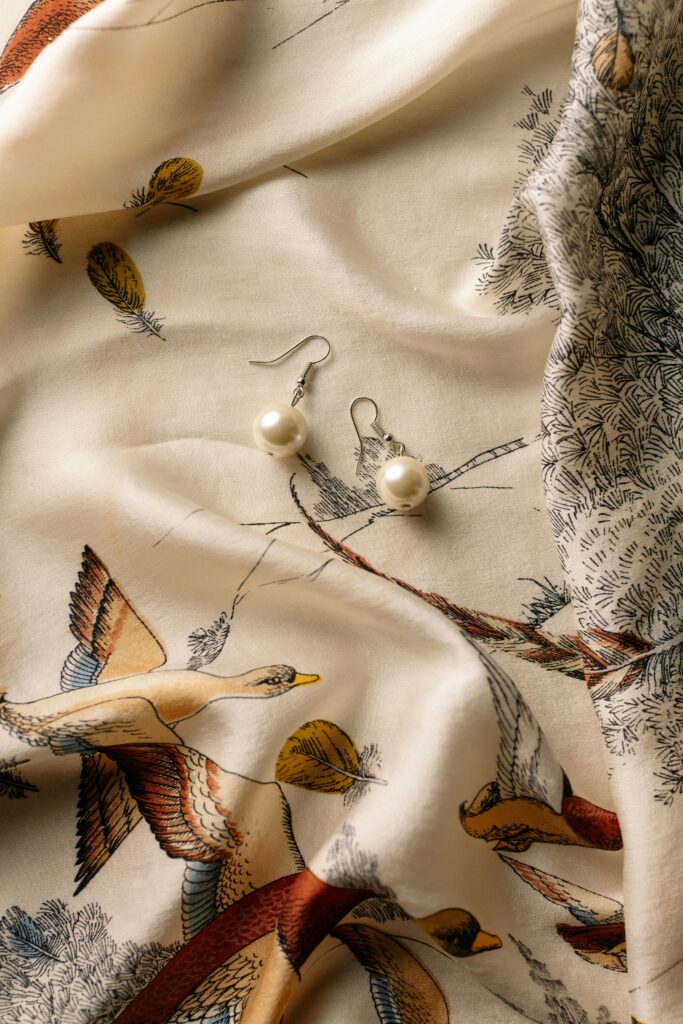
Exquisite prints can transform even the most basic item into something extraordinary. Beyond their visual appeal, Prints can also serve as a clue to a Fashion Brand’s commitment to Quality.
Printed Fabrics often come with a higher Price tag for Fashion Brands, leading to a common trade-off: Printed Garments may sometimes be of lower Quality Fabric and less meticulously constructed than their solid-coloured counterparts, as Brands attempt to offset the Costs of these Designs.
A telltale sign is when a Print appears to bleed or looks untidy. If a Print isn’t suited to the Fabric it’s applied on, it may seep through, creating smudges. Additionally, the Fabric may show Sheerness between the Patterns.
10. Local Manufacturing
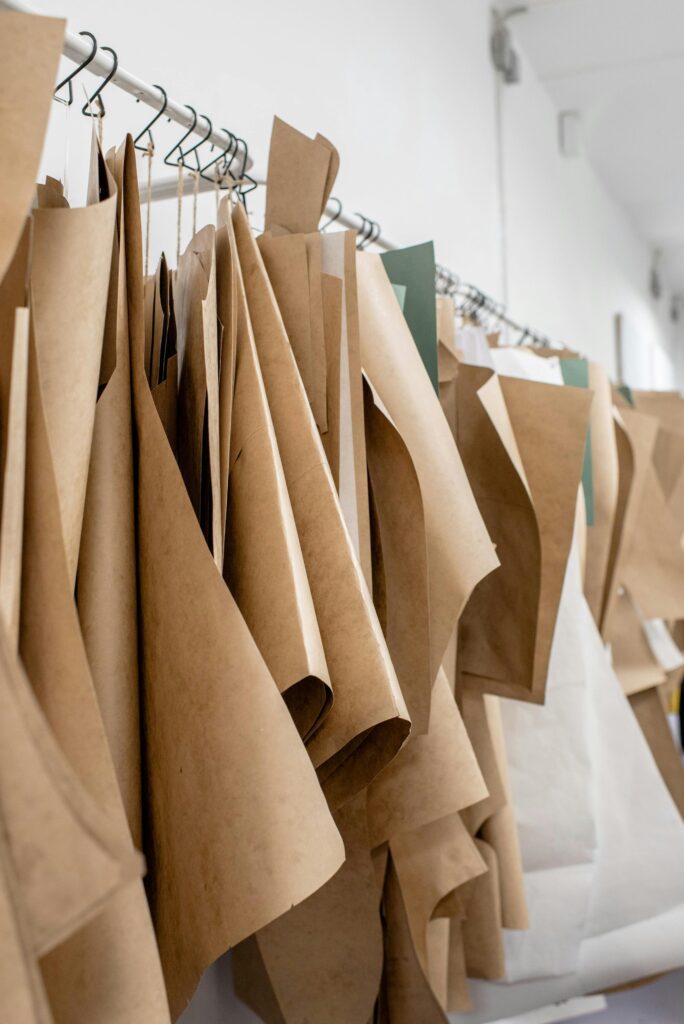
Creating Garments is both a skill-intensive and costly process. Many Clothing Brands opt for Overseas Production as a means to manage expenses while still meeting high volume demands. However, this approach to Mass Production can sometimes lead to compromises in Quality and may indicate a lesser focus on the Durability and Craftsmanship valued by Brands that choose Local Manufacturing. Brands committed to investing in Local Talent and Artisans not only maintain a tighter grip on Clothing Quality but also contribute to minimising waste and preventing Overproduction. By choosing to spend your money on such Brands, you’re not just supporting Local Industry; you’re also securing High-Quality Garments for yourself.
11. Notice the Deep Rich Colours
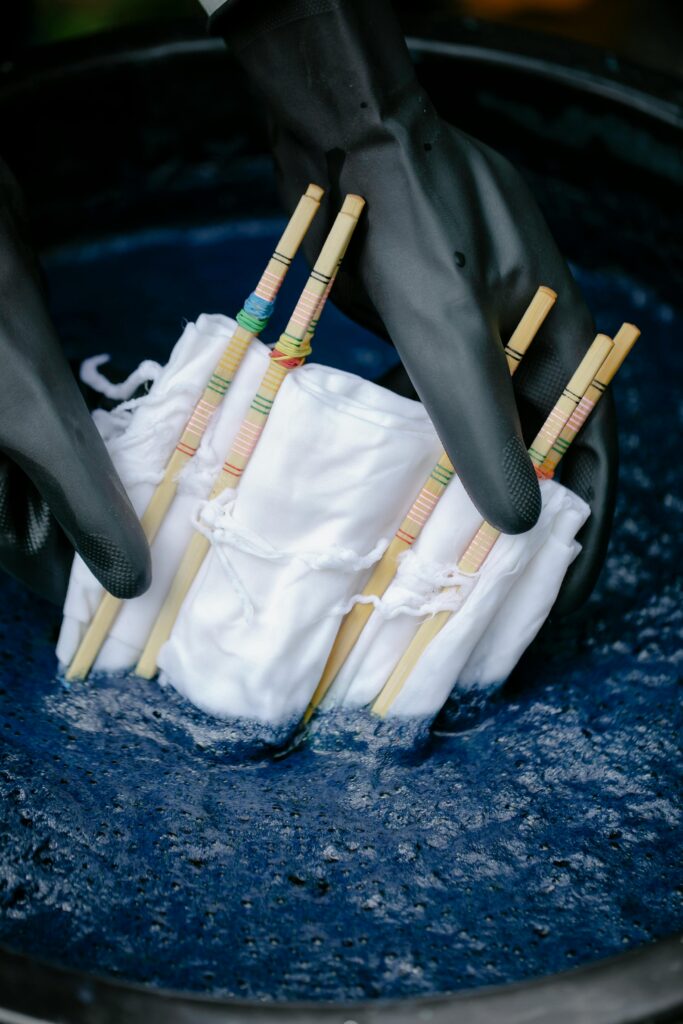
Colours often catch the eye first in any outfit, playing a significant role in its overall appeal. Aim for Garments with deep, Vibrant Shades and steer clear of their less impressive variants.
It’s essential for Colours to maintain their Vibrancy not just upon first wear but also through countless Washes and years of use.
Conversely, High-Quality Clothing employs dyes meant to endure through years of use and Laundering, resulting in Colours that remain deep and bright over time. When investing in Quality Pieces, rest assured that the Colours will continue to look striking long into the future.
12. Research the Company/Brand

Understanding the Company behind your Quality Clothing choices is more crucial than ever. Allowing you to align your Purchases with your Values. By exploring a Brand’s commitment to Ethical Practices, Sustainability, and how it treats its Employees and Customers. You can make informed decisions that go beyond Aesthetics. Brands that are transparent about their Manufacturing processes, prioritise fair working conditions, and engage meaningfully with their Customers, reflect a respect for both People and the Environment.
Making Empowered Purchasing decisions means supporting Companies that not only deliver Quality and Style but also contribute positively to the Environment in which it operates.
Conclusion
Choosing High-Quality Clothing is about more than just looking good. It’s a step towards Mindful Consumption, Sustainability, and Supporting Ethical Practices in the Fashion Industry. By focusing on the Craftsmanship, the Materials used, and the Company’s commitment to its Workers and the Environment, Consumers can make informed decisions that extend beyond Transient Trends. This approach allows your Wardrobe to embody not only Personal Style but also a commitment to positive change, ensuring each piece carries a story of Quality, Respect, and Care for the World around us.
1 thought on “12 Signs of High-Quality Garments: What to Look For”