T-shirts are a staple in almost every wardrobe—but quality can vary widely. Knowing what to look for can save you time, money, and future disappointment. This ultimate checklist will walk you through the key features of a well-made T-shirt—from fabric weight and cotton type to stitching and structure—so you can shop with confidence, whether in-store or online.
Fabric Quality: The Foundation of a Great T-Shirt
Weight: GSM2(Grams per Square Meter)
Fabric weight determines the thickness and durability of a T-shirt. Most retailers list GSM2 online, but in-store, you can estimate it by feel.
| GSM2 Range | Feel | Best For |
|---|---|---|
| 120–150 GSM2 | Very light, almost see-through, soft | Hot weather or Layering |
| 160–200 GSM2 | Medium-weight, slightly thicker, durable | Everyday wear |
| 200+ GSM2 | Heavy, sturdy, structured | Cooler weather, Premium wear |
In-store Tip: Heavier-weight T-shirts feel denser and more substantial. When you run your hand over the fabric, it shouldn’t feel flimsy or overly stretchy.
Cotton Types in T-Shirts: A Deep Dive into 100% Cotton
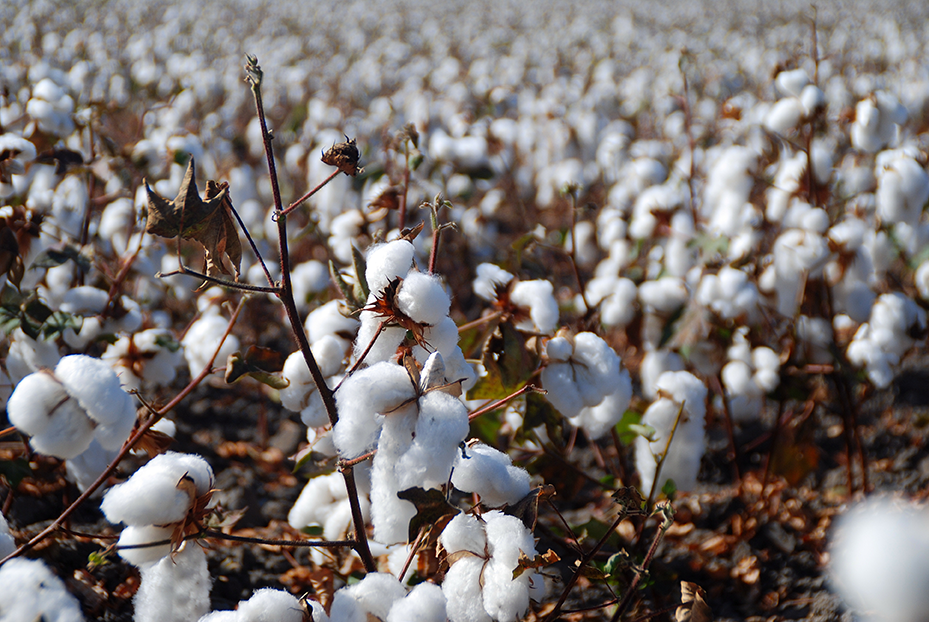
When we talk about high-quality T-shirts, we’re focusing on 100% cotton—the most breathable, durable, and versatile fabric for everyday wear. Understanding the journey of cotton from fibre to yarn, and the various processing methods, will help you identify the differences in quality and price across T-shirt options.
The Cotton Fibre-to-Yarn Process
Cotton goes through multiple stages before it becomes the yarn used to create your T-shirt:
Picking and Cleaning: Cotton fibres are harvested, cleaned, and prepared to remove impurities like dirt and debris.
Carding: This process separates and aligns the fibres while removing remaining impurities, such as dirt and seeds.
Combing(Optional) : Following carding, combing removes shorter fibres and further aligns the longer fibres, creating a more uniform and smooth texture.
Result: Combed cotton is softer, stronger, and less prone to pilling compared to carded cotton.
Spinning: The aligned fibres are spun into yarn using one of two primary methods:
Open-Ended Spinning: A faster, more economical process that creates coarser, less uniform yarn.
Ring-Spun Spinning: A slower, more refined process where fibres are twisted tightly, resulting in finer, stronger, and smoother yarn.
Result: Ring-spun yarn produces higher-quality fabric, while open-ended yarn is more suited for budget-friendly options.
Twisting: The spun yarn is often twisted to improve its strength and stability, ensuring it can handle weaving or knitting without breaking.
Finishing: Depending on the desired end use, the yarn may undergo additional treatments such as mercerisation (for increased lustre and strength) before being knitted into fabric.
By understanding these steps, you can better appreciate how the quality of each process affects the final T-shirt’s feel, durability, and price point.
Carded vs. Combed Cotton
| Type | Carded Cotton | Combed Cotton |
|---|---|---|
| Process | Cotton is carded to align and clean fibres, leaving short fibres intact. | Cotton undergoes additional combing to remove short fibres and impurities. |
| Texture | Coarser, less smooth, more prone to pilling. | Soft, smooth, better feel. |
| Durability | Lower; prone to wear and tear over time. | Higher; long fibres resist breakage. |
| Price Range | Low to medium price. | Medium to high price. |
| Best For | Budget-friendly basics or casual wear. | Good to Premium T-shirts designed for longevity. |
Open-Ended vs. Ring-Spun Yarn
The method of spinning cotton into yarn significantly impacts the quality and price of a T-shirt.
Open-Ended Yarn
Process: Uses a more economical spinning technique, leaving shorter fibres in the yarn.
Feel: Coarser, rougher texture.
Durability: Lower, prone to appearing dull and tearing.
Price Range: Budget-friendly, typically for low-cost T-shirts.
Drawbacks: Coarser and sparsely looking fabric.
Best For: Basic promotional T-shirts or one-time-use items.
Ring-Spun Yarn
Process: Spins long cotton fibres into finer, stronger yarn.
Feel: Soft, smooth, and luxurious.
Durability: High; withstands frequent washing and wear.
Price Range: Medium to Premium price.
Benefits: Excellent drape, great appearance, and increased comfort.
Best For: Everyday wear and premium wardrobe staples.
Comparison: What Makes Cotton Good or Average?
| Aspect | Good Cotton | Average Cotton |
|---|---|---|
| Fiber Length | Long fibres (Pima/Supima cotton) | Short fibres |
| Texture | Smooth, soft, resistant to pilling | Coarse, hairy |
| Durability | High, withstands frequent washing | Low, degrades quickly |
| Environmental Impact | Organic or responsibly sourced | High pesticide use, environmentally harmful |
Luxury Cottons for T-shirts: Pima, Mercerised, and Double-Mercerised
Pima Cotton
Origin: Comes from extra-long-staple cotton grown in the U.S., Peru, and Australia.
Benefits:
Unmatched softness and durability.
Premium quality.
Price Range: High-end due to its rarity and quality.
Best For: Luxury T-shirts and elevated basics.
Mercerised Cotton
Process: Cotton is treated with caustic soda (sodium hydroxide) to increase lustre, smoothness , and comfort.
Benefits:
Silky finish and coolness.
Enhanced strength and smoother texture.
Double-Mercerised Cotton: Cotton is Mercerised twice for an even shinier and more luxurious fabric.
Price Range: Premium due to the additional processing.
Best For: High-fashion or special-occasion T-shirts.
Organic Cotton
Origin: Grown without synthetic pesticides, herbicides, or genetically modified seeds, ensuring environmentally and socially responsible farming practices.
Benefits:
Free from harmful chemicals, making it ideal for sensitive skin.
Environmentally friendly, reducing water usage and promoting soil health.
Soft and breathable with a natural feel.
Price Range: Slightly higher than conventional cotton due to sustainable farming practices.
Best For: Eco-conscious consumers, casual wear, and anyone seeking hypoallergenic fabric.
How to Identify These Cottons
Retailers usually highlight when their T-shirts are made from Combed, Pima, Organic or Mercerised cotton. Look for labels or product descriptions specifying:
“Combed cotton for softness.”
“100% Pima cotton for luxury.”
“Mercerised cotton for vibrancy and sheen.”
“Organic Cotton”
Cotton Quality Across Price Categories
| Price Range | Cotton Type | Features | Drawbacks |
|---|---|---|---|
| Low (💰) | Carded, open-ended yarn | Coarse texture, prone to pilling. | Short lifespan, fades quickly. |
| Medium (💰💰) | Combed, ring-spun yarn | Soft, durable, suitable for everyday wear. | May shrink if not pre-shrunk. |
| High (💰💰💰) | Pima, mercerised cotton | Luxurious feel, excellent colour retention. | Premium price point, requires careful washing. |
Why The Ultimate Checklist for Buying a Quality T-Shirt Matters
Understanding the cotton type and processing method will help you distinguish between budget, average, and premium T-shirts. Retailers often market combed or mercerised cotton because these processes significantly enhance the fabric’s quality. However, knowing what these terms mean allows you to better evaluate whether the price aligns with the value offered.
Spotting Details in Store: A Practical Guide
When shopping in-store, use these quick checks to evaluate the quality of a T-shirt:
Opacity Test
Hold the shirt up to the light. A high-quality T-shirt will have consistent opacity, indicating even fabric density. Avoid T-shirts with noticeable see-through areas unless they are designed as lightweight or sheer fabrics.
Neck Rib
The neck rib should be sturdy and match the shirt’s main fabric. Gently stretch it to ensure it recovers its shape without sagging. A well-constructed neck rib enhances fit and longevity.
Back Neck Seam
Inspect the inside of the back neckline. The seam should be neatly covered with a reinforcing tape or bound for added comfort and durability. This prevents irritation and ensures the neckline retains its shape over time.
Stitching Check
Look for neat, even stitching along the seams. High-quality T-shirts use a 4 thread mock safety stitch, which securely closes all seams and prevents unraveling.
Hem Finishing
Examine the hemline. A premium T-shirt will have neatly finished hems, typically with cover seam stitching. This technique not only reinforces the edges but also provides a clean, polished look.
T-shirt seam types
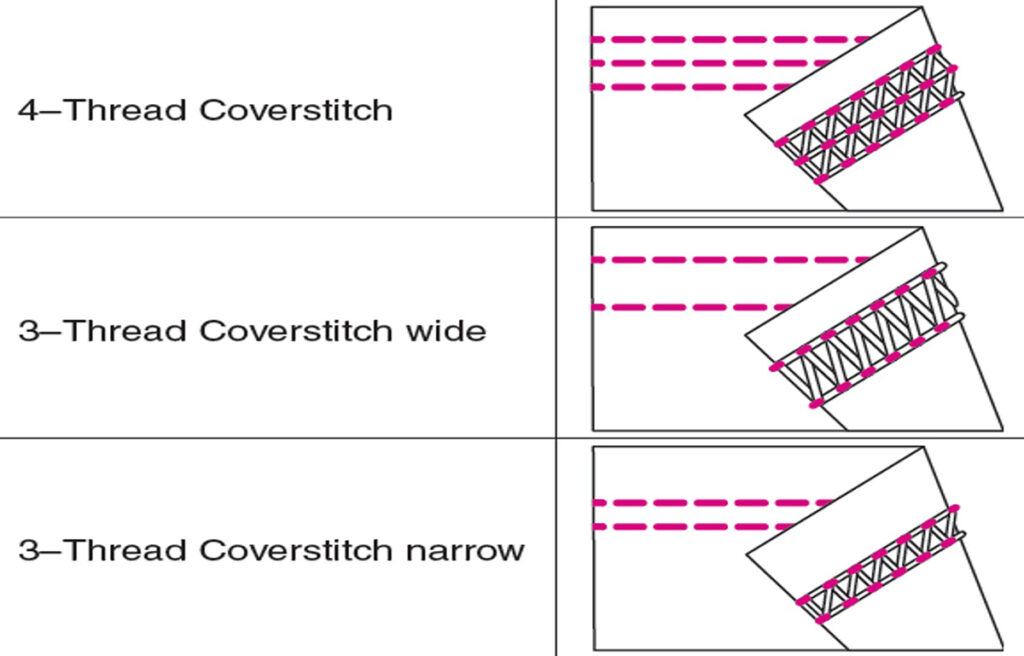
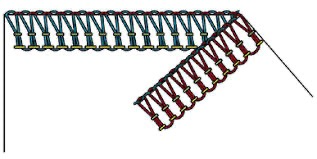
By paying attention to these details, you can quickly distinguish between low-quality, average, and premium T-shirts. These features also ensure the T-shirt will withstand frequent washing and wear while maintaining its structure and comfort.
Aftercare: What to Expect
Wash Test
If you’ve already purchased the T-shirt, wash it as per the care instructions. Good-quality T-shirts will have unnoticeable shrinkage and retain their shape and appearance.
Note: Even a high-quality T-shirt can face issues if not properly cared for:
Quick At-Home Tests for Quality
Spirality: Poorly aligned fibres can cause twisting after washing.
Stretching: High-quality fabrics recover their shape; cheaper materials won’t.
How to Evaluate T-Shirts Online
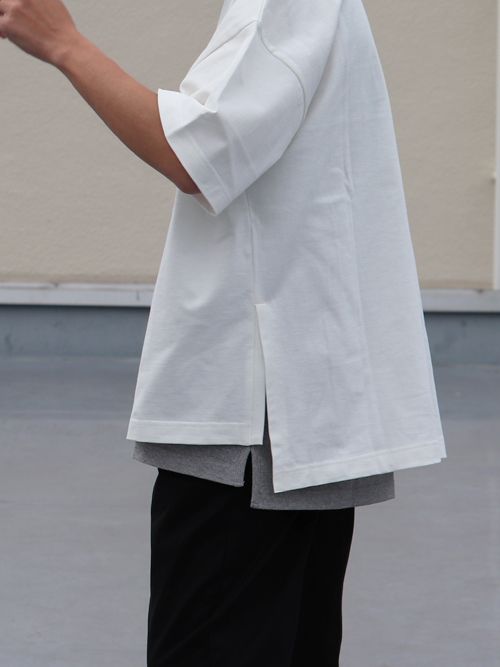
Shopping for T-shirts online can be challenging, but with the right approach, you can make informed decisions and avoid disappointment. Here’s a comprehensive guide to evaluating T-shirt quality online:
1. Read Reviews
Customer feedback is invaluable. Look for reviews that mention:
Durability: Does the T-shirt hold up after multiple washes?
Fit: Is the fit true to size, or does it run large/small?
Comfort: Is the fabric soft and breathable, or does it feel stiff and scratchy?
Pay attention to patterns in reviews, especially recurring complaints or praise.
2. Check Fabric Details
Reputable brands provide detailed fabric descriptions. Key elements to look for:
Fabric Composition: opt for 100% cotton (preferably combed or ring-spun), or blends with elastane for stretch.
GSM (Grams per Square Meter): Indicates fabric weight. Heavier GSM numbers (160-200) suggest durability and opacity, while lower GSM (120-150) is lightweight and may be sheer.
Special Processes: Descriptions like “combed cotton”, “Mercerised cotton” ,”Pima cotton” or “organic cotton” often indicate higher-quality materials.
3. Look for Guarantees
High-quality brands typically stand behind their products. Check for:
Warranties: Guarantees against defects or performance issues.
Return Policies: Easy returns for ill-fitting or unsatisfactory items.
4. Examine Fit
Look at how the T-shirt fits the model in product photos. Consider:
Proportions: Check if shoulder seams align properly and the hem sits at an appropriate length.
Fit Descriptions: Is it fitted, loose, oversized? Compare this to your personal preferences.
If measurements of a T-shirt are provided, compare them to a T-shirt you already own for a more accurate assessment.
5. Inspect the Neck Rib
The neck rib can reveal a lot about a T-shirt’s quality:
Flat and Even: It should lie flat without waviness or bunching.
Not Stretched: Avoid T-shirts with visibly stretched or loose necklines in photos.
6. Check the Hems
Evenness: Look for straight, consistent hems in product images. Uneven hems indicate poor construction.
Stitching: Zoom in to assess the stitching on hems. Clean, double-stitched or cover-seamed hems are signs of quality.
7. Zoom in on Stitching and Seams
High-resolution images can help you evaluate:
Seam Alignment: Side seams should be straight and not twisted.
Reinforcement: Look for taped shoulders or back neck seams, which add durability and comfort.
8. Opacity Check
If fabric opacity isn’t mentioned, closely inspect product photos:
Look for signs of see-through fabric, especially in lighter colours.
A high-quality T-shirt should have even opacity.
Conclusion: Investing in Premium Quality
When you know how to spot quality, you’re more likely to invest in T-shirts that last. Many brands offer premium options made from organic or sustainable materials, which are not only better for the planet but also feel amazing on your skin.
By understanding these key factors in The Ultimate Checklist for Buying a Quality T-Shirt, you’ll never be caught off guard by poor-quality T-shirts again. Make informed choices and build a wardrobe that combines comfort, durability, and style.
Common Terms to Know in The Ultimate Checklist for Buying a Quality T-Shirt
Understanding these terms will help you navigate T-shirt descriptions and identify quality more effectively:
Cotton
A natural fibre derived from the seed hair of the cotton plant. Known for its breathability, softness, and versatility, it is the primary fabric used in most good-quality T-shirts.
Fibre
The raw material used to produce yarn. Cotton fibres are spun into yarn, which is then woven or knitted into fabric.
Yarn
A continuous strand of fibres twisted together to create a thread. Yarn is the intermediate product used to make fabrics and can vary in quality depending on the spinning process.
Fabric
A textile material made by weaving or knitting yarn. T-shirts are primarily made from knitted fabrics, which provide flexibility and comfort.
Single Jersey
A type of knitted fabric commonly used for T-shirts. It has a smooth, stretchy surface on the front and a slightly textured back, making it lightweight, breathable, and ideal for casual wear.
Rib
A knitted fabric characterised by raised vertical lines. Often used in necklines and cuffs for added elasticity and durability. Ribbed areas should snap back into place after being stretched.
Elastane
A synthetic fibre known for its exceptional elasticity. Also referred to as spandex or Lycra, elastane is often blended with cotton to provide stretch and improve fit retention.
Cover seam
A type of stitch used for finishing hems and seams. It provides a clean, professional look while reinforcing the fabric edges to prevent fraying.
Mock Safety Stitch
A stitch used to close seams securely. It mimics a true safety stitch, providing strength and durability without excessive bulk.
Double Stitching
Two parallel rows of stitches along seams, offering enhanced durability and resistance to wear and tear.
Fitted T-shirt
A style of T-shirt designed to contour the body. It provides a sleek, tailored appearance and is ideal for those seeking a modern, close-to-skin fit.
Loose Fit T-shirt
A relaxed style with extra room in the chest, waist, and arms. Offers a casual look and maximum comfort, making it suitable for everyday wear.
Oversized T-shirt
A deliberately exaggerated fit with significantly more room than standard sizes. Popular in streetwear, this style prioritises comfort and bold aesthetics.
Good Fit
Good fit is subjective. It’s what feels right to you and aligns with your personal aesthetics. Whether you prefer a snug, tailored fit or a relaxed, oversized style, a “good fit” is ultimately what makes you feel confident and comfortable.